 01
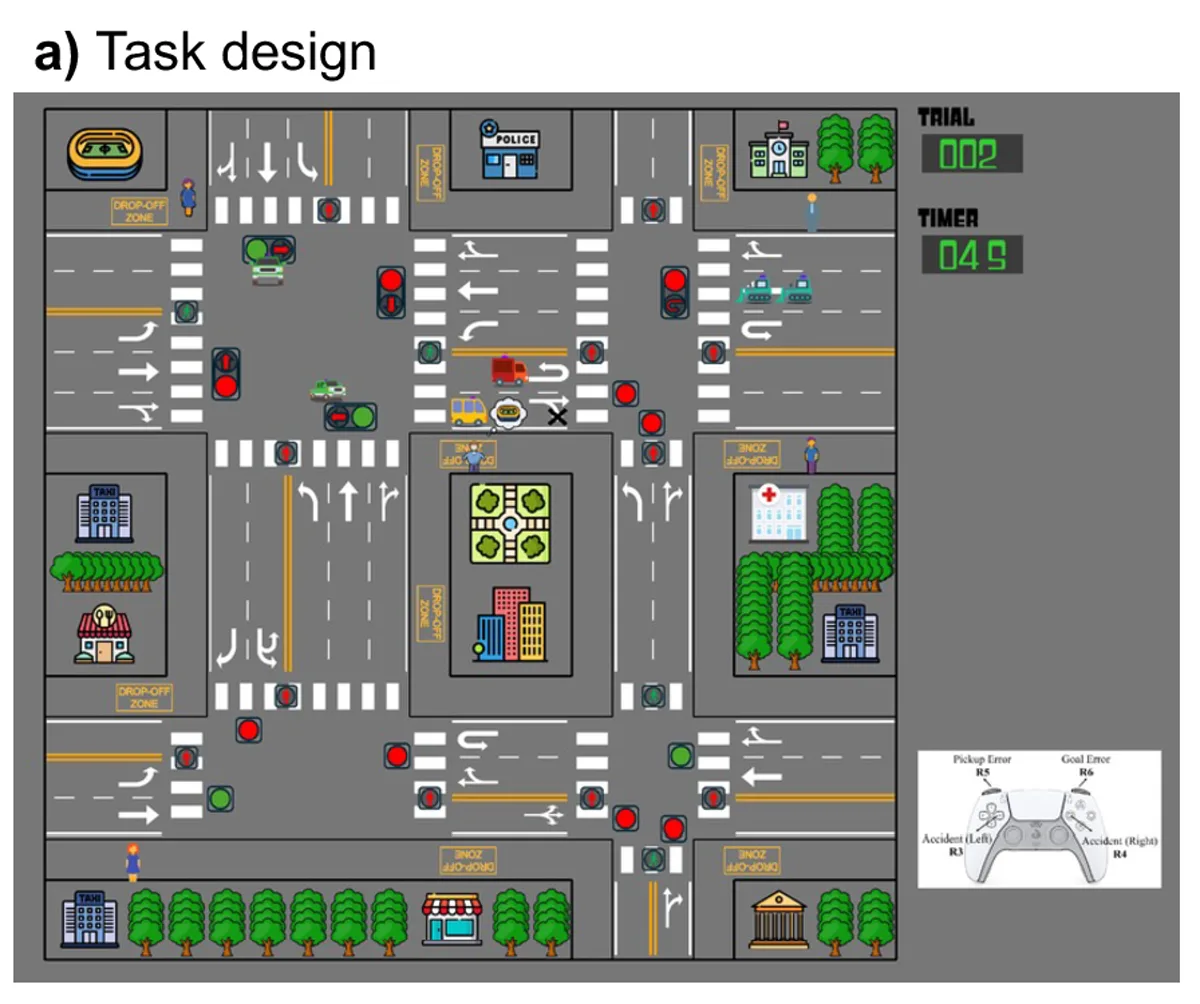
01Autonomous Navigation
Supervise a robotaxi through passenger pickup, routing, and traffic events.
Embodied AI × Neurotechnology
Implicit human neural feedback for safer autonomy in simulated urban environments.
Abstract & Motivation
Static alerts cannot adapt to changing workload or individual perception. Our system uses implicit neural responses to agent errors to personalize visual, auditory, and tactile feedback while a human supervises autonomous agents.
Embodied Tasks
01Supervise a robotaxi through passenger pickup, routing, and traffic events.
02Detect anomalies across vehicles and pedestrians under higher workload.
Architecture
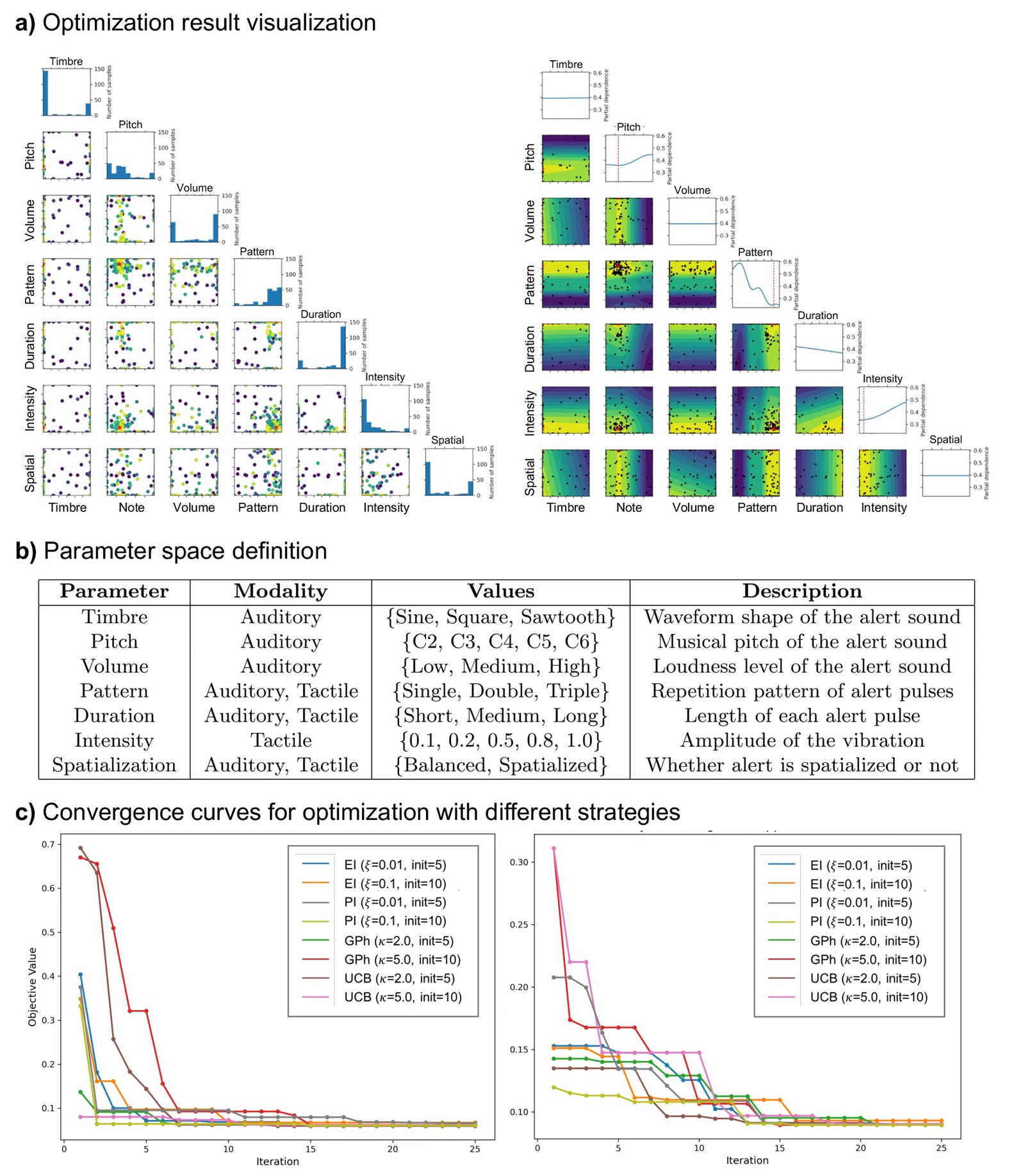
Decoded error-related potentials guide Bayesian optimization of personalized multimodal cues.
Experimental Setup
Selected Findings
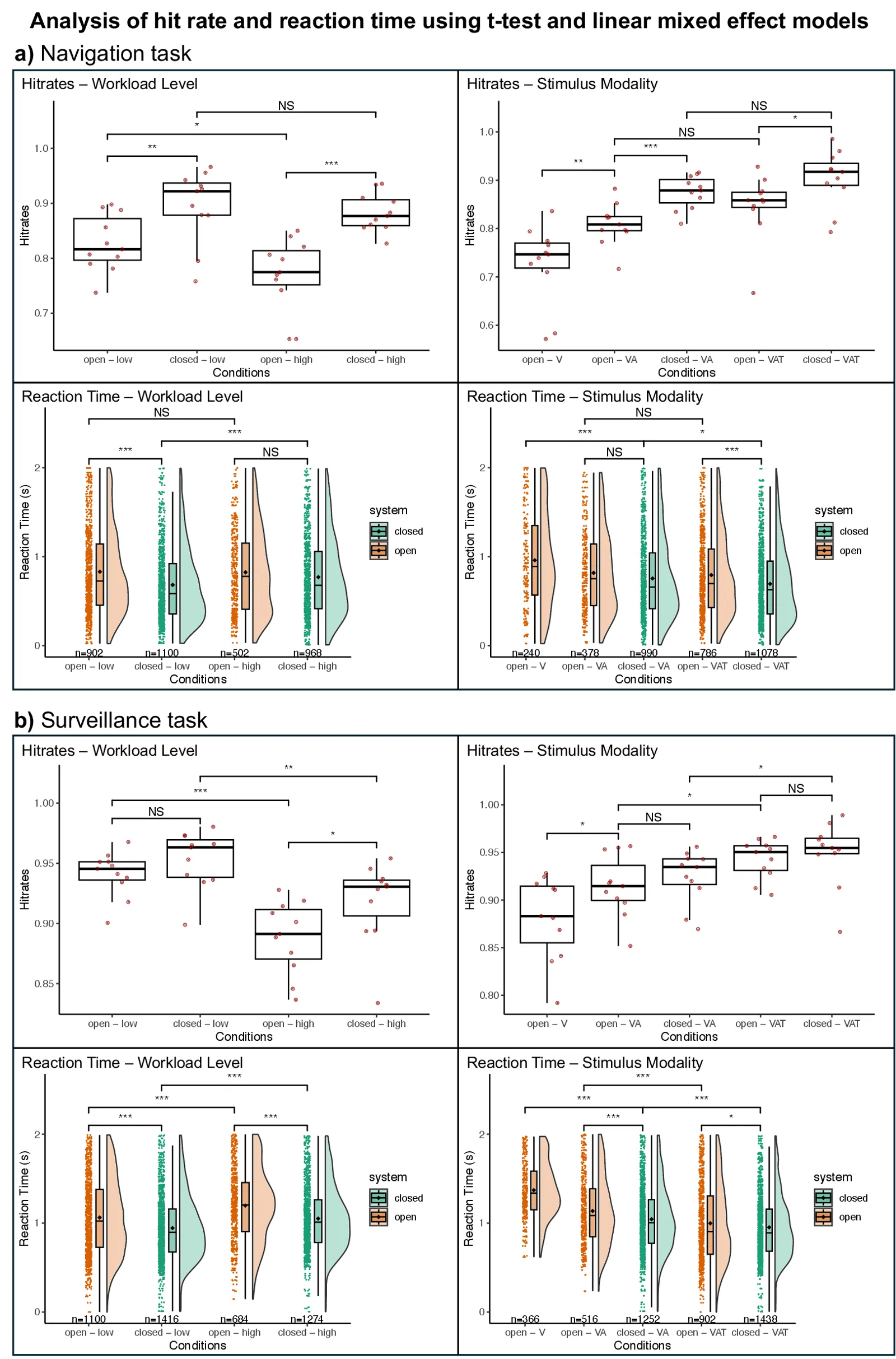
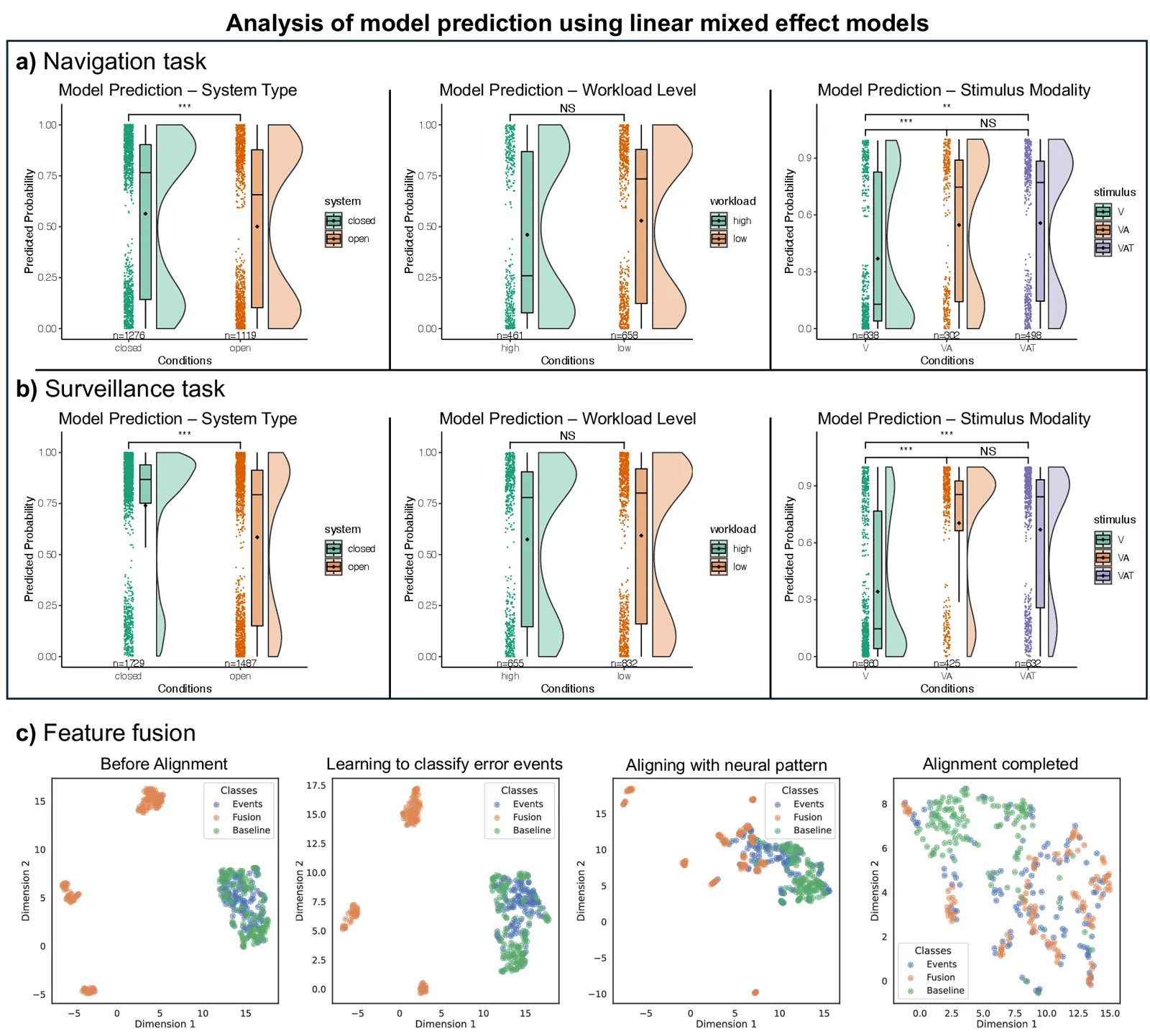
Improved error detection, especially under demanding conditions.
Quicker interventions than with static multimodal feedback.
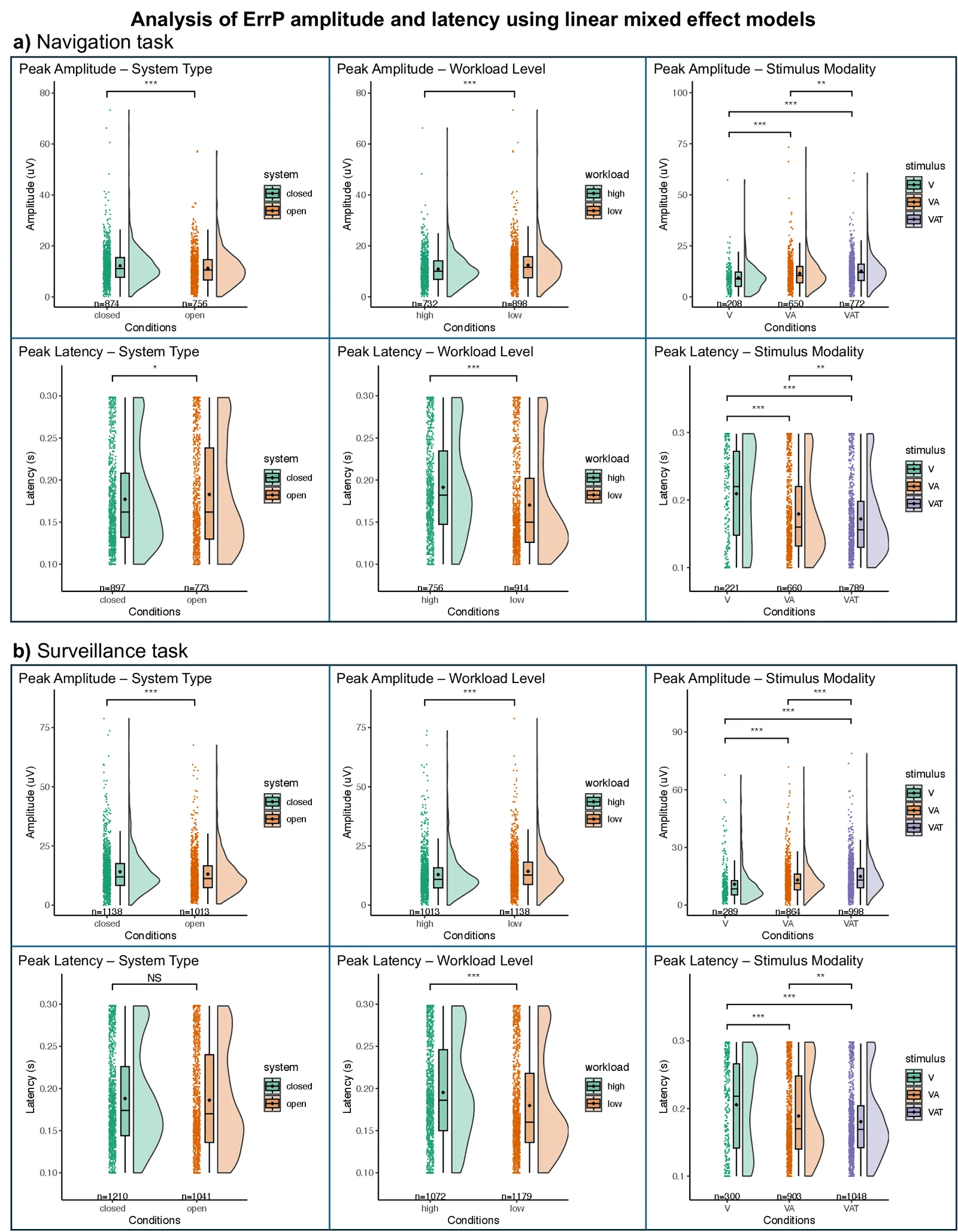
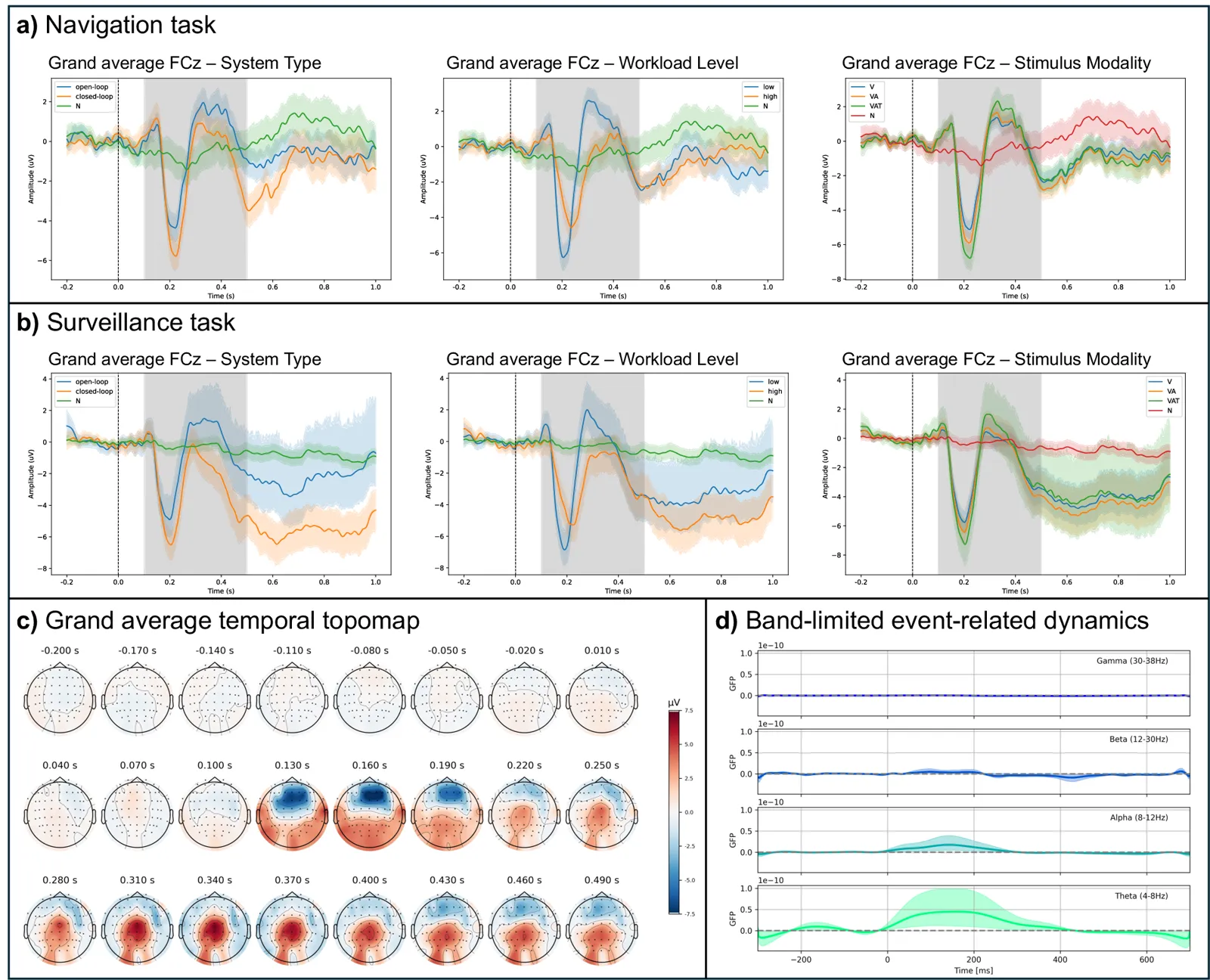
Neural evidence consistent with stronger error perception.
Implications
The framework supports adaptive human oversight in autonomous driving, robotics, and high-load monitoring.